


Yellow Card in Soccer: Rules and Key Moments
On the green football pitch, a yellow card is more than a warning. It can change a game.
01. Famous “Card – Washing” in Yellow Card Soccer
In 2010, a Champions League match between Real Madrid and Ajax was near the end. The score was 4 – 0. Then, Alonso of Real Madrid kicked the ball away without pressure and got a second yellow card on purpose.
After that, Ramos did the same by delaying the game. Both were sent off. This is the well – known “Yellow card scandal” event.
The Reason for Card – Washing
Real Madrid coach Mourinho told players to get yellow cards on purpose. Alonso and Ramos got their second yellow cards at the 87th and 91st minutes by wasting time.
They wanted to clear yellow cards in unimportant matches. So, they could play freely in key knockout matches.
The Result of Their Actions
UEFA thought this broke fair – play rules. Mourinho was banned for 2 matches (the second was delayed for 3 years) and fined 40,000 euros. Real Madrid was also punished.
In 2013, Real Madrid did the same thing again. Ramos and Alonso got yellow cards in a 3 – 0 match. They cleared their yellow cards and could play in the semi – finals with a clean record.
02. What Is a Yellow Card in Soccer?

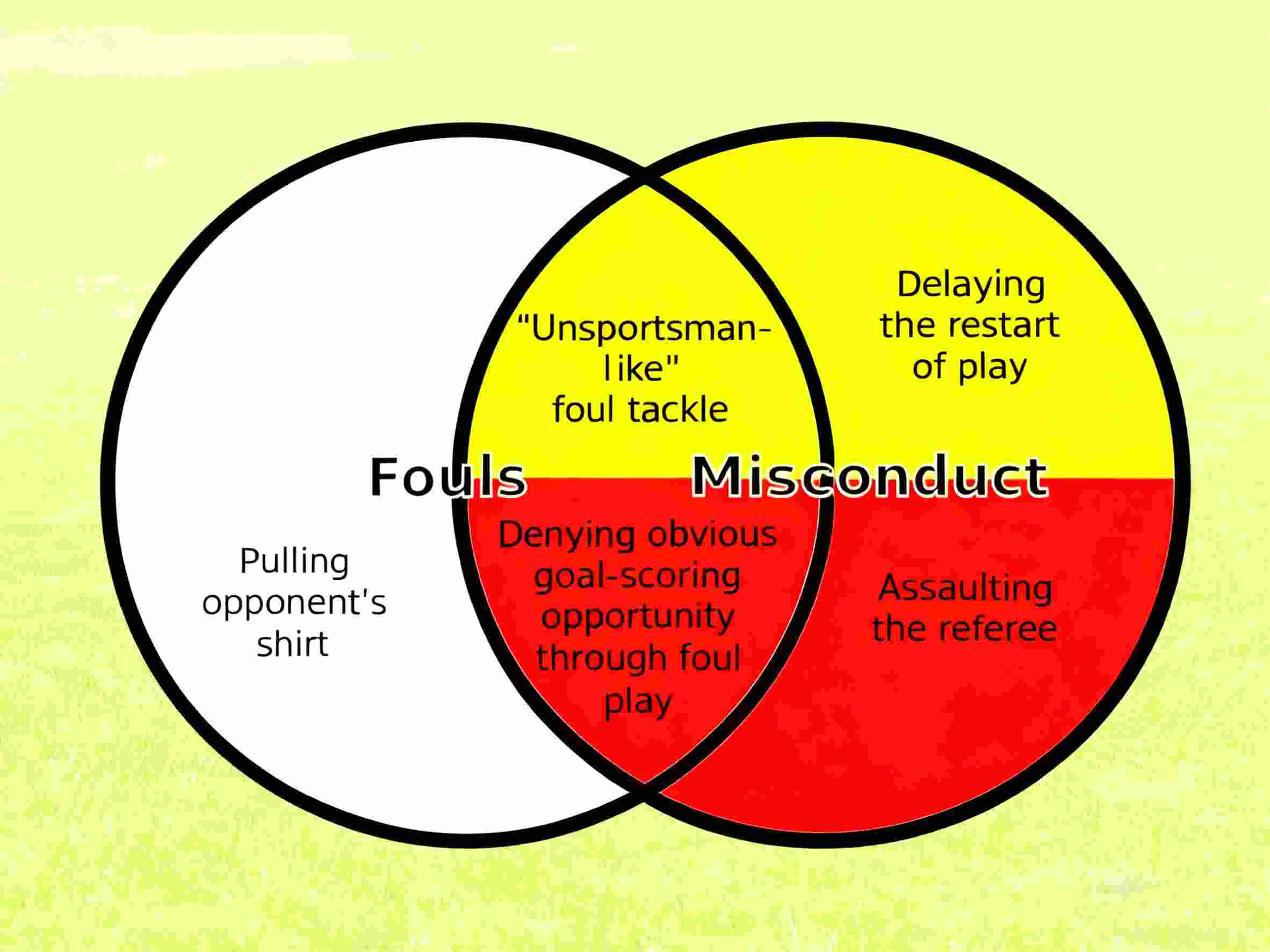
In soccer, a yellow card is a formal warning from the referee. It won’t make a player leave right away. But it restricts the player’s next moves.
Common Reasons for Getting a Yellow Card
Players may get a yellow card for bad behavior like diving, handball, or time – wasting. Also, multiple fouls, protesting against the referee, or entering/exiting the field without permission can lead to a yellow card.
The Key Rule: Two Yellows, One Red
If a player gets two yellow cards in one match, the referee will show a red card. The player will be sent off. The team can’t replace the sent – off player.
So, coaches may substitute a yellow – carded player to avoid a shortage.
03. Is there a relationship between the number of yellow cards and the country or region
The frequency and pattern of yellow cards are important indicators reflecting the football culture, competitive level, and league management characteristics of a region.
Football developed regions (such as Europe and South America)
Due to its more comprehensive youth training system and earlier and more systematic education on rules, players may have a more mature and intelligent understanding and application of the rules.
Regions in the development of football
Rule education may be relatively weak, and players may rely more on instinct and experience, leading to a deviation in their understanding of the rules and a higher likelihood of committing fouls due to a lack of understanding of the rules.
04. The Origin of Yellow Card Rules in Soccer
The yellow and red card systems didn’t come with soccer. They were inspired by a controversial match.
The Controversial Match
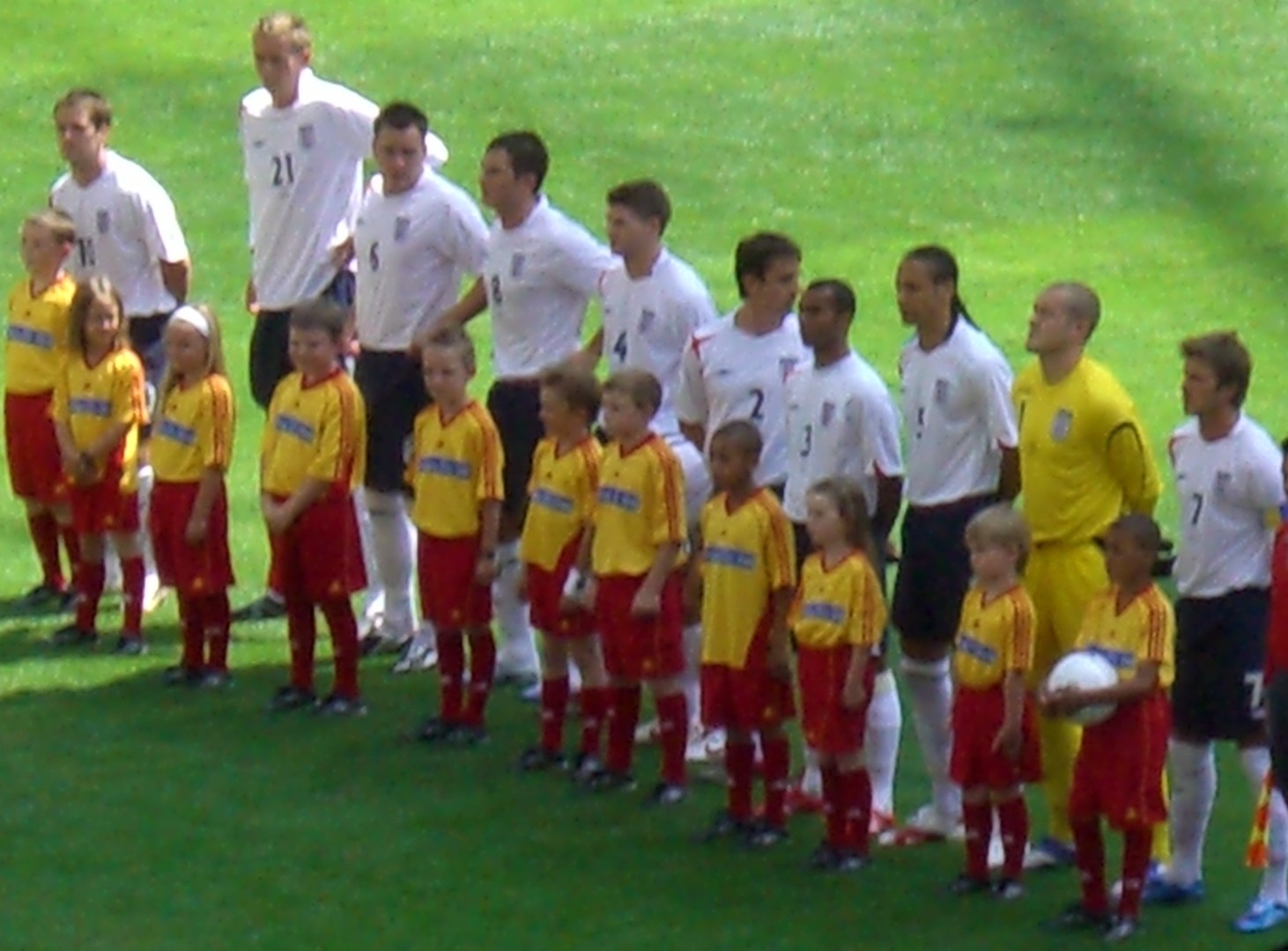
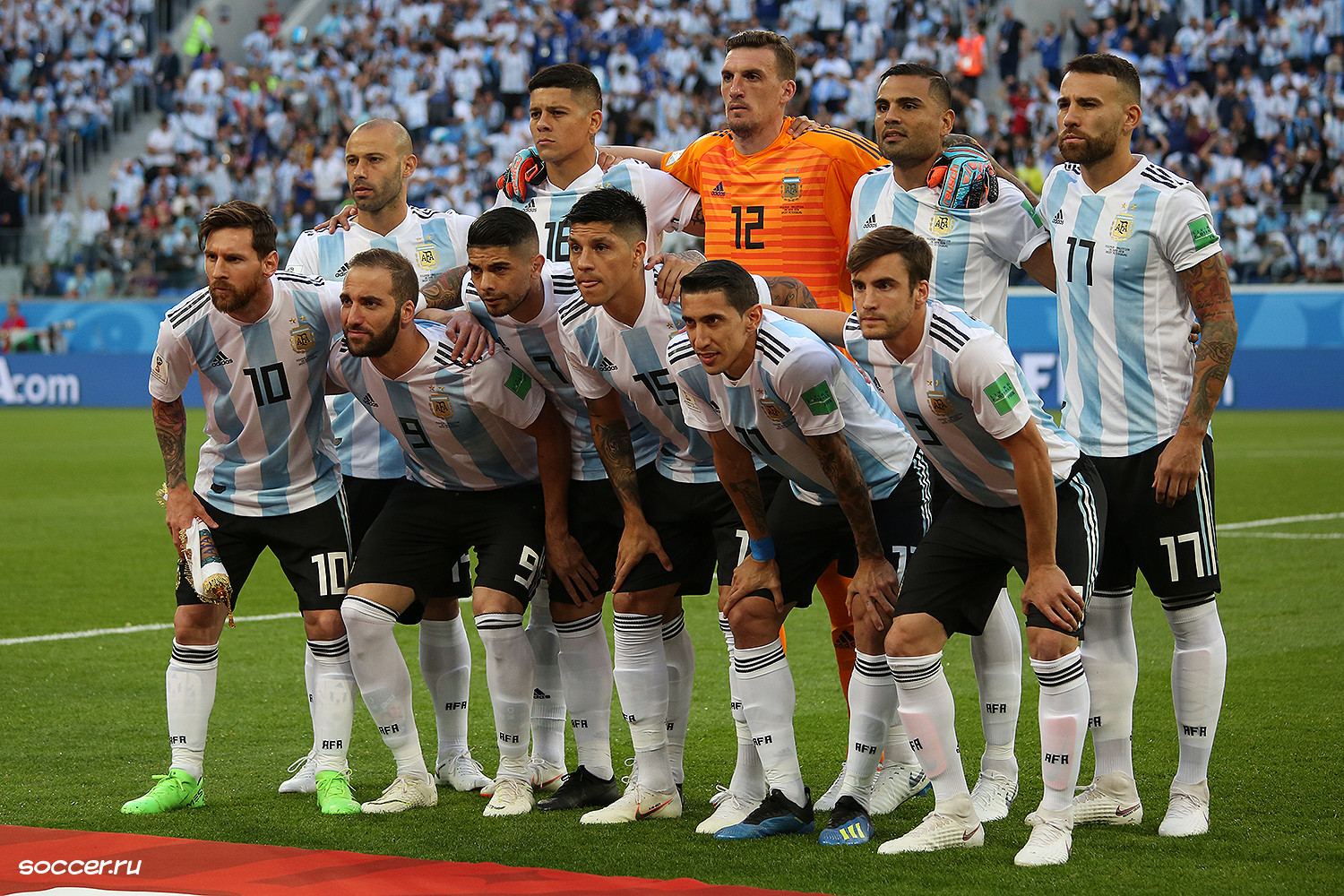
In the 1966 World Cup quarter – final between England and Argentina, the German referee sent off the Argentine captain. But the captain refused to leave because of language problems and no clear penalty signal. The match was stopped for 7 minutes.
The Inspiration for the System
The British referee Aston got the idea of yellow and red cards from traffic lights while waiting for the red light on his way back to the hotel.
The First Use of the System
The next day, Aston talked about it with the German referee and they sent a proposal to FIFA. The system was first used in the 1970 World Cup. The German referee was the first to show a yellow card, and a Costa Rican player was the first to get it.
05. The Game of Deliberate Yellow Cards in Soccer
“Card – washing” is a special tactic. When players may be suspended because of too many yellow cards, some teams let them get yellow cards in unimportant matches.
Clearing Yellow Cards
This helps players have no yellow cards before key matches. In 2010 and 2013, Ramos and Alonso were involved in such cases.
Automatic Suspensions
If a player gets 3 yellow cards in normal matches, he will be suspended. In international matches, 2 yellow cards mean a one – match suspension.
Even without a red card, too many yellow cards can lead to suspension. This rule aims to stop players from fouling continuously and keep the match fair.
06. Yellow Card Rules: Balance in Soccer
The yellow card rule is necessary for soccer development. Since 1970, it has been important for fair matches.
The Balance in Sports
I think the yellow card rule shows the balance in sports. We should respect rules and use them smartly.
The “card – washing” and “tactical yellow cards” show the wisdom in soccer. But they must follow the rules and not harm fairness.
View the Rules Rationally
As a long – time fan, I think we should view the yellow card rule rationally. It restricts players and is also a part of coaches’ tactics. This balance makes soccer attractive.

Leave a Reply