


Football Club Menu: A Complete Guide to Stadium Dining, Design & Fan Experience
Introduction
A football club menu is not merely a list of snacks. Rather, it is a well – crafted dining experience. It indeed reflects the club’s identity. Moreover, it enhances fan engagement. Also, it boosts venue revenue on matchdays. Whether you’re a die – hard supporter, a casual fan with family, or a venue manager, knowing about club menu structure and design can change your stadium experience. This guide will take you through the definition, organization, themes, and practical aspects of club menus.
I. What is a Football Club Menu?
Definition & Purpose
A football club menu is a set of food and beverage choices for stadium consumption on matchdays. It usually has different levels. For example, there are cheap snacks in general areas and luxury dining in VIP lounges. It shows the club’s brand and meets fans’ various tastes. These menus are made carefully. They aim to balance guest satisfaction, efficiency, and revenue.
Core Elements
- Accessibility: The ordering process is easy to understand. Pricing is clear. The layout is simple.
- Inclusivity: There are dietary accommodations like vegetarian, vegan, gluten – free, halal, and allergen – free options.
- Brand alignment: Team colors, local culture, and seasonal themes are included.
- Tier differentiation: There are different price points and experiences in various seating zones.
II. Menu Structure: Food Categories & Order
Classic Organization: From Quick Bites to Premium
Football club menus often follow a tiered approach. They range from the fastest and most affordable to the most premium.
- General Stalls & Quick Bites
- First, there are hot dogs, burgers, and sausages. Then, you can find French fries, nachos, and popcorn. Also, soft drinks, beer, and non – alcoholic beverages are available. Next, there are quick sandwiches and wraps. Finally, desserts like ice cream, candy, and cookies are offered.
- Regional & Healthier Options
- To start with, there are local specialty dishes related to the club’s city or region. Then, salads and vegetable skewers are provided. Also, grilled items with light preparation are included. Next, there are vegetarian/vegan alternatives. Finally, gluten – free or allergy – conscious choices are available.
- Family & Kids Menus
- Initially, there are smaller portions with balanced nutrition. Then, mild flavors are offered, avoiding too much spice or salt. Also, fun and colorful packaging is used. Next, safety is ensured with allergen – free or clearly labeled options. Finally, affordable prices and easy – to – carry packaging are provided.
- VIP & Premium Dining
- First of all, there are multi – course tasting menus. Then, curated local and gourmet ingredients are used. Also, craft beverages and wine pairings are available. Next, hot plated meals are served. Finally, private or semi – private seating with dedicated service is provided.
- Seasonal & Special Menus
- To begin with, there are limited – time offerings related to team achievements or local festivals. Then, holiday specials are included. Also, signature “fan favorite” dishes are offered. Next, themed nights or promotional items are available.
III. Themes and Brand Features
Visual & Narrative Branding
The best football club menus use the club’s visual identity and storytelling.
- Color Coordination: Menu graphics and packaging use team colors. Thus, brand recognition is reinforced.
- Mascot Integration: There are character – themed menu items or promotional designs.
- Local Pride: Regional cuisine and suppliers are celebrated. As a result, fan connection is deepened.
- Seasonal Narratives: Menu themes are tied to tournament stages, championships, or city events.
- Historical References: Dish names or descriptions honor club legends or milestone moments.
Accessibility & Inclusivity
A well – designed menu also focuses on accessibility.
- Clear allergen labeling is on all items. So, fans know what they can eat.
- Prominent vegan/vegetarian/gluten – free icons or sections are provided. Therefore, it’s easy for fans to choose.
- Simple language descriptions are used. As a result, there is no jargon.
- Large, easy – to – read fonts are for older fans. Thus, they can read easily.
- QR codes link to detailed nutritional information or menu photos. So, fans can get more details.
IV. How to choose Football Club Menu
Families with Children
- First, there are smaller portions with nutritional balance. Then, mild flavors are provided, avoiding excessive spice or salt. Also, fun and colorful packaging is used. Next, safety is ensured with allergen – free or clearly labeled options. Finally, affordable prices and easy – to – carry packaging are offered.
Health – Conscious Fans
- To start with, there are salad bowls with protein options like grilled chicken, tofu, and legumes. Then, vegetable skewers and steamed vegetables are available. Also, whole – grain bases such as brown rice and quinoa are included. Next, low – sodium and low – sugar alternatives are provided. Finally, fresh fruit and yogurt options are offered.
Die – Hard Fans & Sports Enthusiasts
- First of all, there are bold flavors and spicy options for those seeking intensity. Then, signature “power” meals or combo bundles are available. Also, premium craft beverages and local beers are offered. Next, themed foods related to club history or matches are provided. Finally, shareable items for group consumption and competitive pricing on popular staples are available.
Guests with Dietary Restrictions
- Initially, all allergens like peanuts, dairy, gluten, shellfish, etc. are clearly labeled. Then, separate preparation areas are used to avoid cross – contamination. Also, dedicated vegetarian/vegan sections are provided. Next, halal and kosher options are available where applicable. Finally, nut – free alternatives and low – FODMAP choices are offered, and staff are trained to answer dietary questions.
V. Why Football Club Menu Matter
Benefits for Clubs & Venues
- Revenue Generation: A well – structured menu with tiered pricing can increase average customer spend by 30–40%. This is mainly through bundled offers and premium options. As a result, clubs can earn more.
- Fan Loyalty & Engagement: Exclusive menu items or member – only promotions can deepen the emotional connection. Therefore, fans are more likely to visit again.
- Operational Efficiency: Clear categorization can reduce order confusion. Thus, service is speeded up during peak times and inventory management is simplified.
- Brand Storytelling: Menus can serve as a marketing tool. They communicate club identity, local partnerships, and sustainability commitments through food. So, the club’s image is enhanced.
- Data – Driven Insights: Sales patterns can reveal fan preferences. As a result, clubs can optimize offerings and respond to demand in real time.
Benefits for Fans
- Choice & Inclusivity: Everyone can find something they like. This is regardless of dietary preferences or budget.
- Convenience: Quick service and clear ordering process can minimize wait times on busy matchdays. So, fans can save time.
- Value: Tiered options ensure affordable choices without sacrificing quality. Thus, fans get good value for money.
- Experience: Themed menus and local selections can enhance the emotional connection to the club. So, the matchday experience is better.
- Transparency: Clear labeling and nutritional info help fans make informed choices. Therefore, fans can eat safely.
VI. How to Find and Use Club Menu
Method 1: Official Club Websites & PDFs
Many clubs publish their menus on official websites or in PDF format.
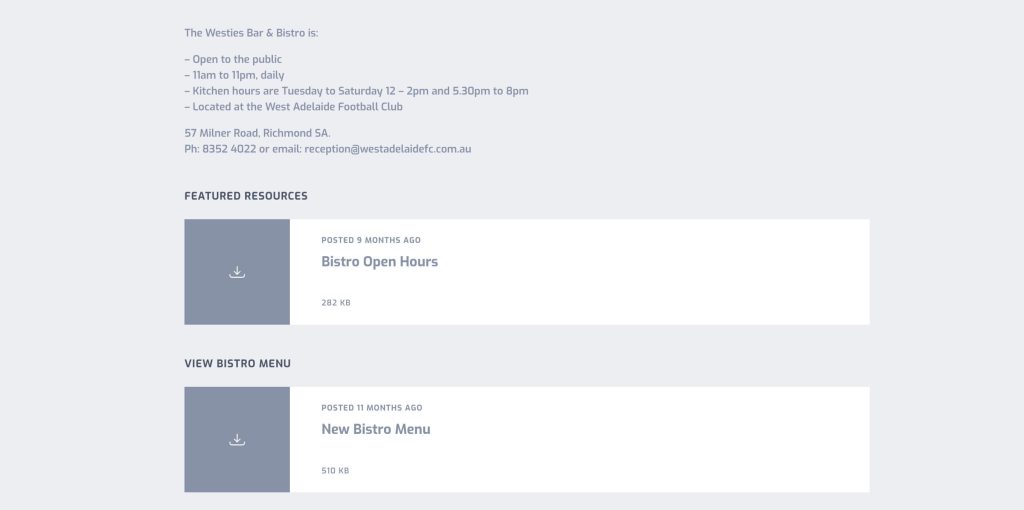
- First, visit the club’s official website. Then, look for sections like “Food & Beverage,” “Stadium Guide,” or “Dining.” Also, search for “[Club Name] menu PDF” to find archived or current versions. For example, West Adelaide FC publishes its bistro menu link on the club’s site. You can search “West Adelaide menu PDF” to access it. Next, check the event or ticketing pages for linked menu documents. Finally, subscribe to club newsletters for seasonal menu updates.
Method 2: Google Maps & Review Platforms
- Google Maps: First, search for the club’s stadium name. Then, check the “Menu” section below the business information. Photos or PDF links are often uploaded by venue staff or users.
- TripAdvisor: First, search for the club’s venue or associated dining area. Then, user – uploaded menu photos and reviews provide real – world feedback.
- Zomato: First, some club venues list their full menus with photos, prices, and ratings.
- Example: First, Guindalense Club on TripAdvisor has menu item photos and guest reviews. Then, searching “Guindalense Zomato menu” may yield similar results on Zomato.
Method 3: Social Media Channels
- Facebook & Instagram: First, club bars often post about new menus, weekly specials, or themed dining nights. Then, look for posts mentioning “New Menu,” “Specials This Week,” “Limited Offer,” or similar language. Also, engage by commenting or messaging the club’s social accounts directly to ask for the latest menu if you can’t find it. Next, stories and reels often share short video tours of menu items or special promotions. Finally, search club – specific hashtags (e.g., #ClubNameDining) to discover fan – shared menu photos and reviews.
Method 4: Direct Contact
For the most reliable and up – to – date menu information:
- Phone: First, call the club’s main office or dining department during business hours. Then, staff can provide detailed menu descriptions and answer dietary questions.
- Email: First, send an inquiry to the club’s customer service email. Then, include your dietary preferences or questions for a faster response.
- In – Person: First, visit the venue before matchday to review physical menus or ask staff directly.
- Event Pages: First, check ticketing platforms or event calendars where menu updates are often posted.
- Response Time: First, most clubs respond to inquiries within 24–48 hours during the season.
VII. FAQs
Q1: What’s the typical price range for football club menu items?
First, menu items usually range from 5–15 USD for quick bites like hot dogs and fries. Then, for VIP dining, it can be 25–50+. Also, family combo packages often offer 15–25% savings compared to individual purchases.
Q2: How often do club menus change?
First, many clubs refresh menus seasonally like in summer, fall, and winter. Then, they introduce limited – time items monthly. Also, major menu overhauls happen 1–2 times per year, while specials and promotional items may change weekly.
Q3: Are vegetarian/vegan options always available?
First, most modern stadiums offer vegetarian and vegan options. Then, availability varies by club and country. Also, it’s best to contact the club in advance if you have strict dietary requirements. Finally, many venues now actively advertise their inclusive menu options on official sites.
Q4: Can I bring outside food into the stadium?
First, policies vary significantly by club and venue. Then, most professional stadiums prohibit outside food and beverages to protect concession revenue. Also, some allow sealed water bottles or permit specific exceptions for medical/dietary reasons. Finally, check the club’s official policy or contact them directly before your visit.
Q5: Do clubs offer pre – ordering or online food ordering?
First, an increasing number of clubs offer digital ordering. Then, it can be through official club apps, QR codes at seating areas, or third – party delivery platforms (though delivery to stadiums varies). Also, pre – event online ordering for group packages is available. Finally, contact your club to see if they support mobile or pre – ordering options. This can reduce wait times during peak matchday hours.
Q6: What should I do if I have an allergy?
- Contact the club in advance: First, email or call the dining department with specific allergen concerns.
- Speak to venue staff: First, on matchday, inform service staff immediately of your allergy. Then, they can guide you to safe options.
- Check labeling: First, all items should have clear allergen labels. Then, ask if you’re unsure.
- Bring documentation: First, if you have severe allergies, consider carrying written dietary information or a medical alert card.
- Avoid assumptions: First, don’t assume an item is safe based solely on its name. Then, verify with staff.
Q7: How can I provide feedback about the menu?
- Survey Forms: First, many clubs have post – event surveys or feedback forms on their websites.
- Social Media: First, comment on club menu posts with constructive feedback.
- Direct Contact: First, email the dining or customer service team with suggestions.
- Focus Groups: First, some clubs invite fans to participate in menu testing sessions.
- Online Reviews: First, leave reviews on platforms like TripAdvisor or Google to help others and inform the club.
Conclusion
Football club menus are not just concession stands. Instead, they are an important part of the matchday experience. They reflect club culture. Also, they support diverse dietary needs. Moreover, they drive venue sustainability. Whether you’re looking for a pre – match bite, planning a family outing, or just curious about club dining optimization, understanding club menus enhances your stadium experience. With the tips for finding menus through official channels, maps, social media, and direct contact, you can explore and enjoy the offerings at your favorite club.



Leave a Reply