

While players score the goals and fans create the atmosphere, referees control the flow of the game through their decisive hand signals. Understanding these gestures can transform your viewing experience from confused spectator to informed analyst. Here’s your ultimate guide to decoding referee signals:
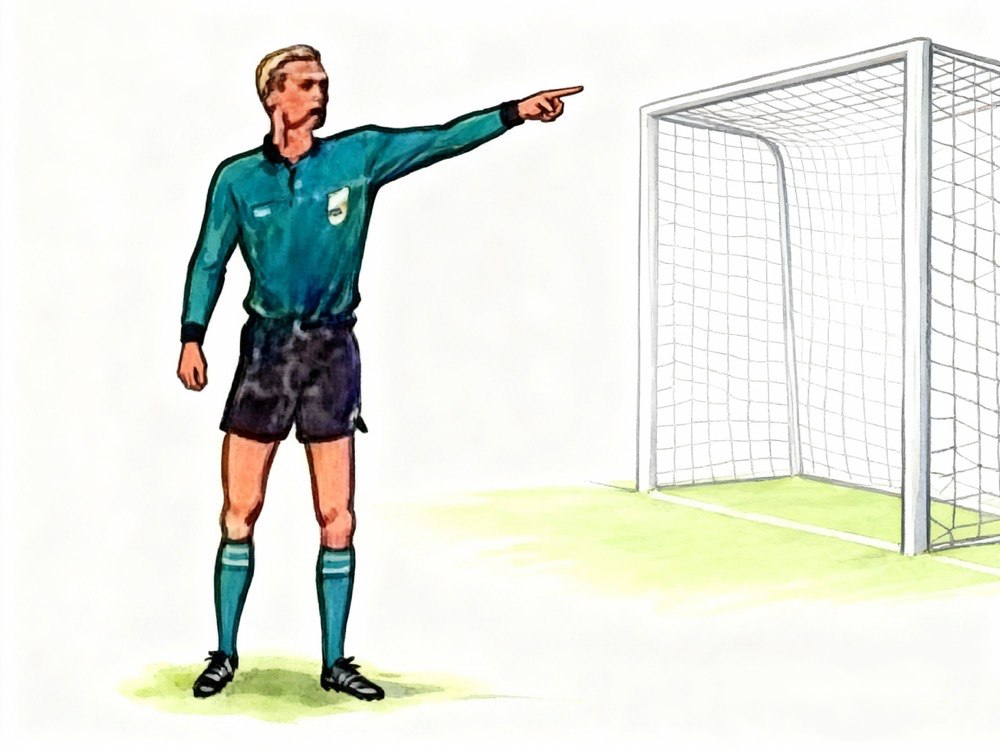
1. Direct Free Kick
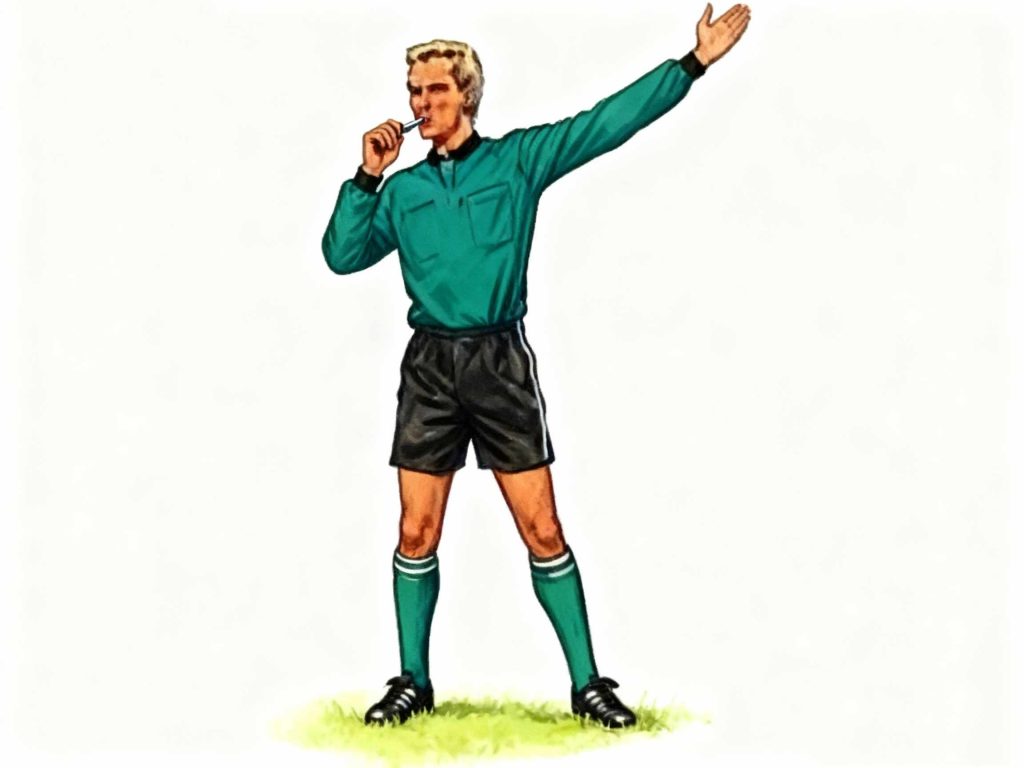
Signal: Arm extended horizontally, pointing toward the fouling team’s goal.
Meaning: A serious foul (pushing, tripping, etc.) occurred. The attacking team gets a shot directly at goal from the foul spot.
Pro Tip: If this happens inside the penalty box, it becomes a penalty kick—the referee will point directly to the penalty spot.
2. Indirect Free Kick
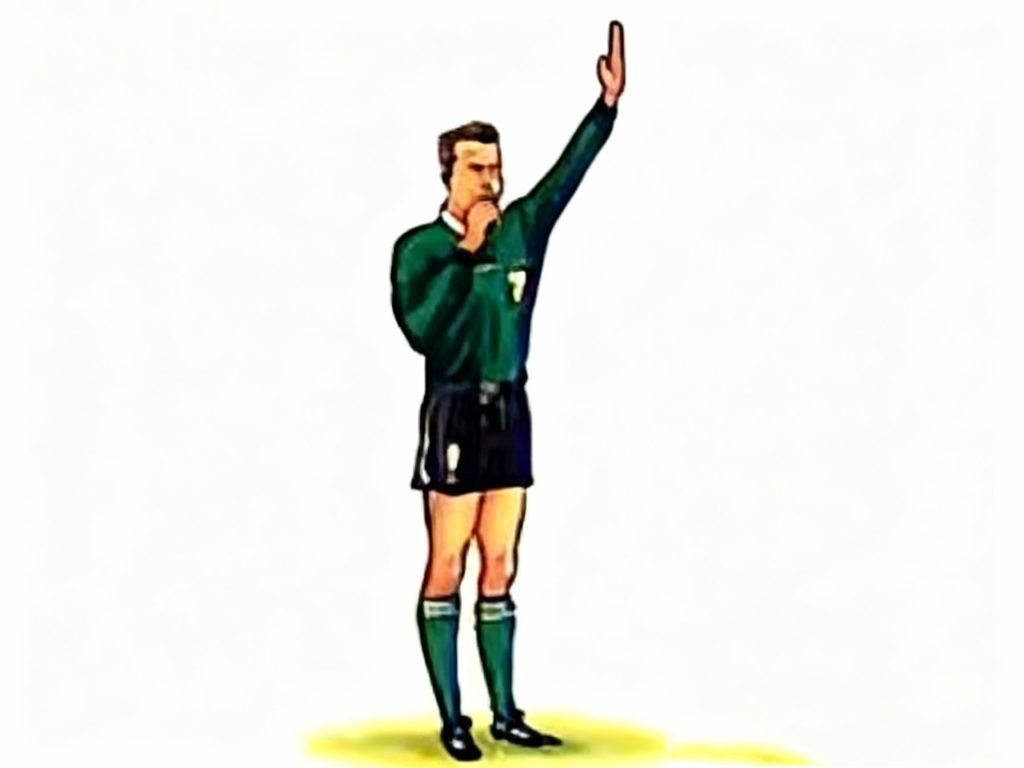
Signal: Arm raised vertically, held until the ball is touched by another player.
Meaning: A technical foul (dangerous play, offside, goalkeeper handling a backpass). The attacking team must pass before shooting—a direct shot won’t count!
3. Substitution
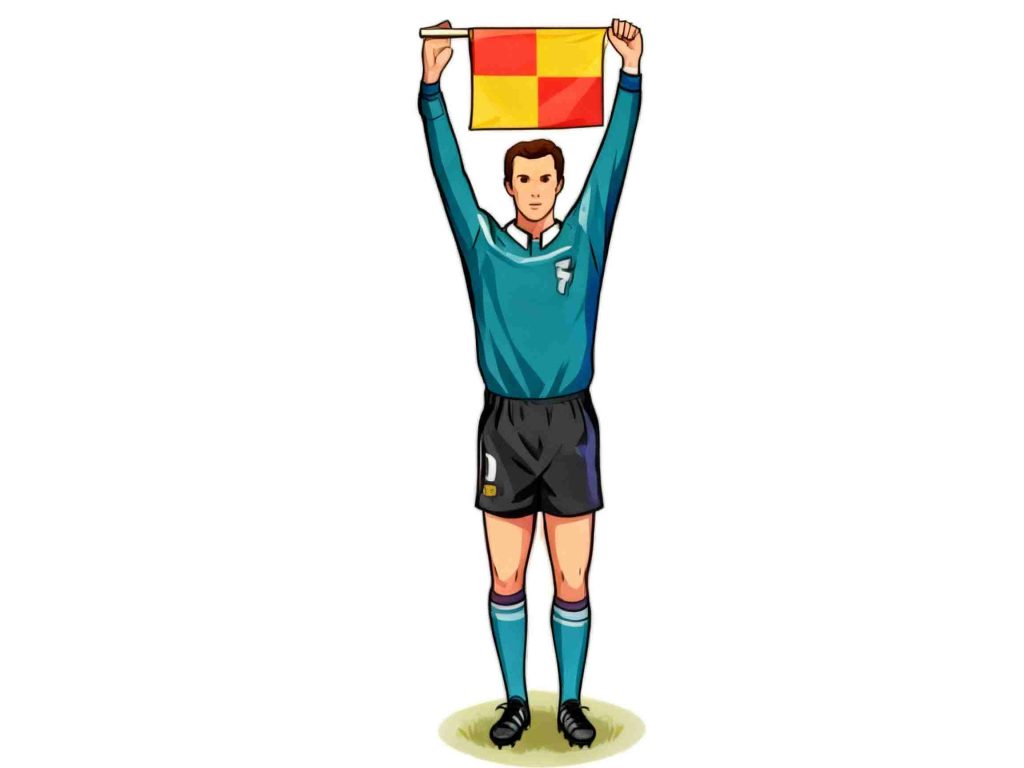
Signal: Electronic board displaying player numbers.
Meaning: A player is being swapped out. Substituted players cannot return.
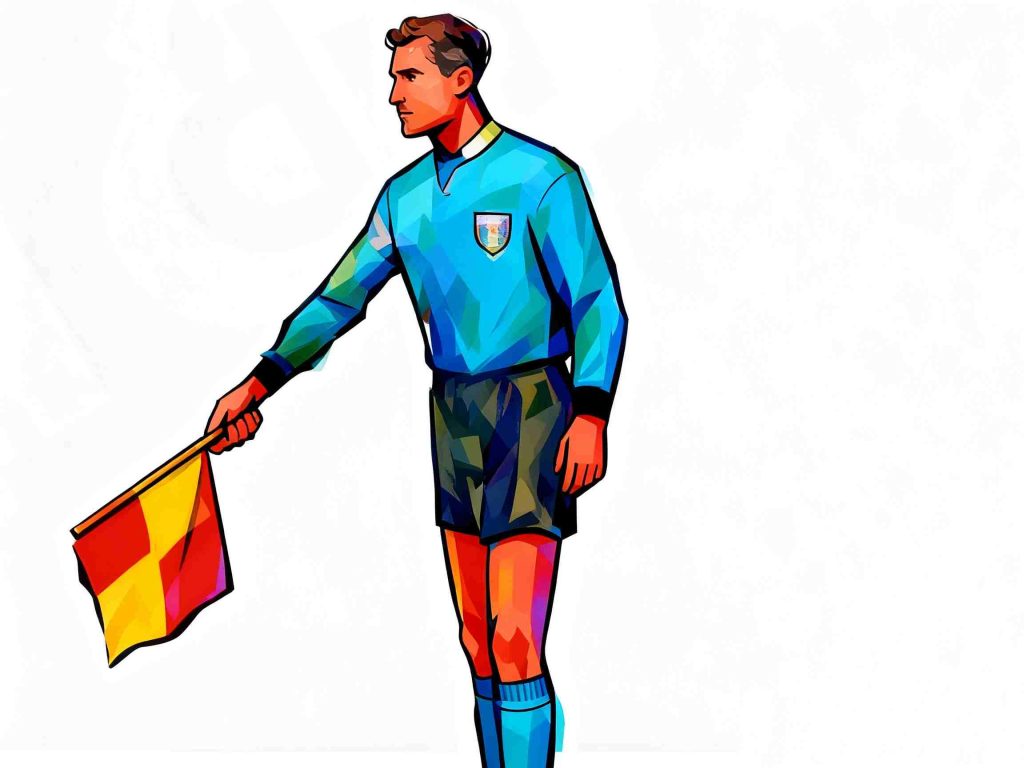
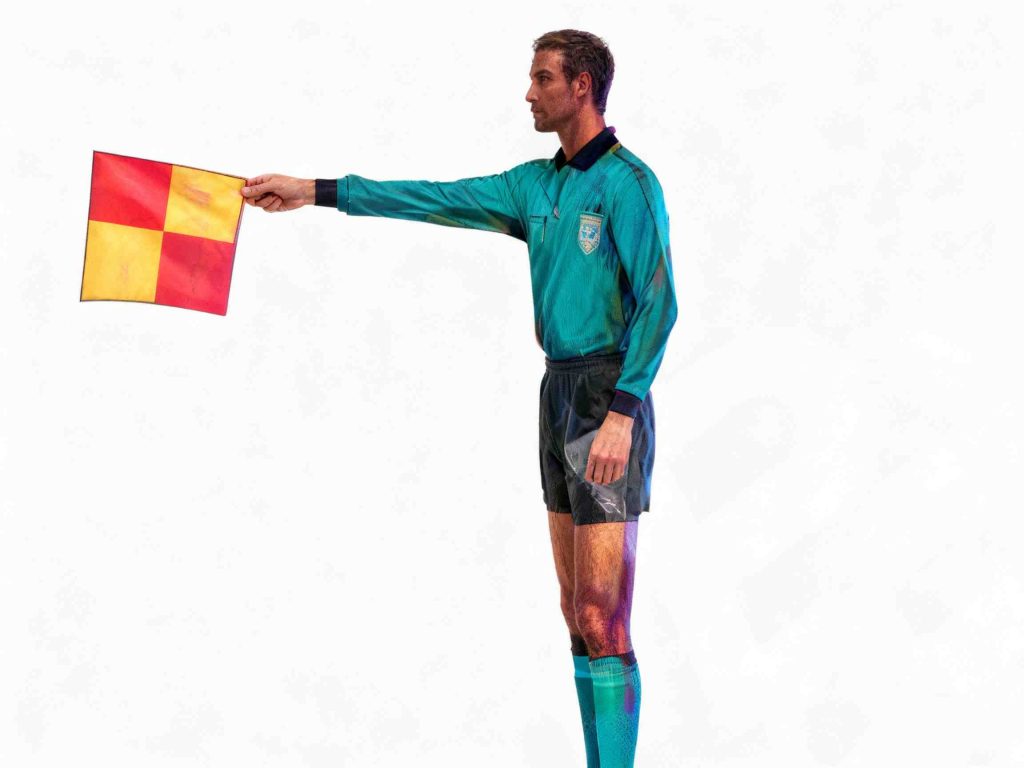
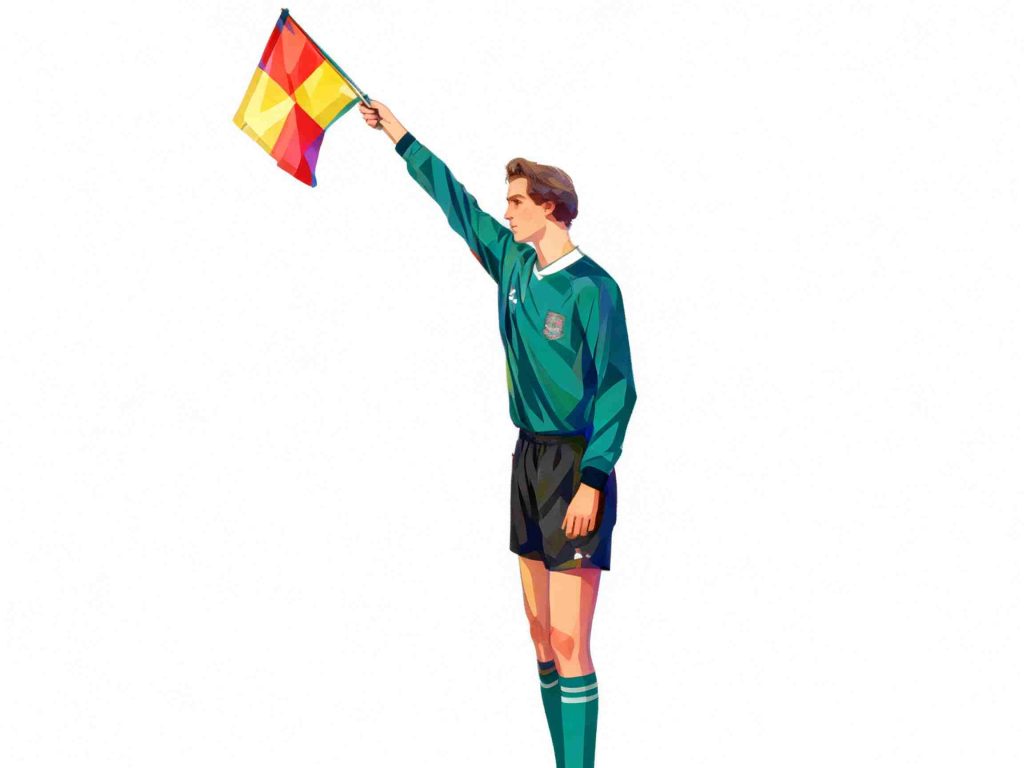
4. Offside
Signal: Arm raised diagonally after the whistle.
Meaning: An attacker was ahead of the second-last defender when the ball was passed. Results in an indirect free kick for the defense.
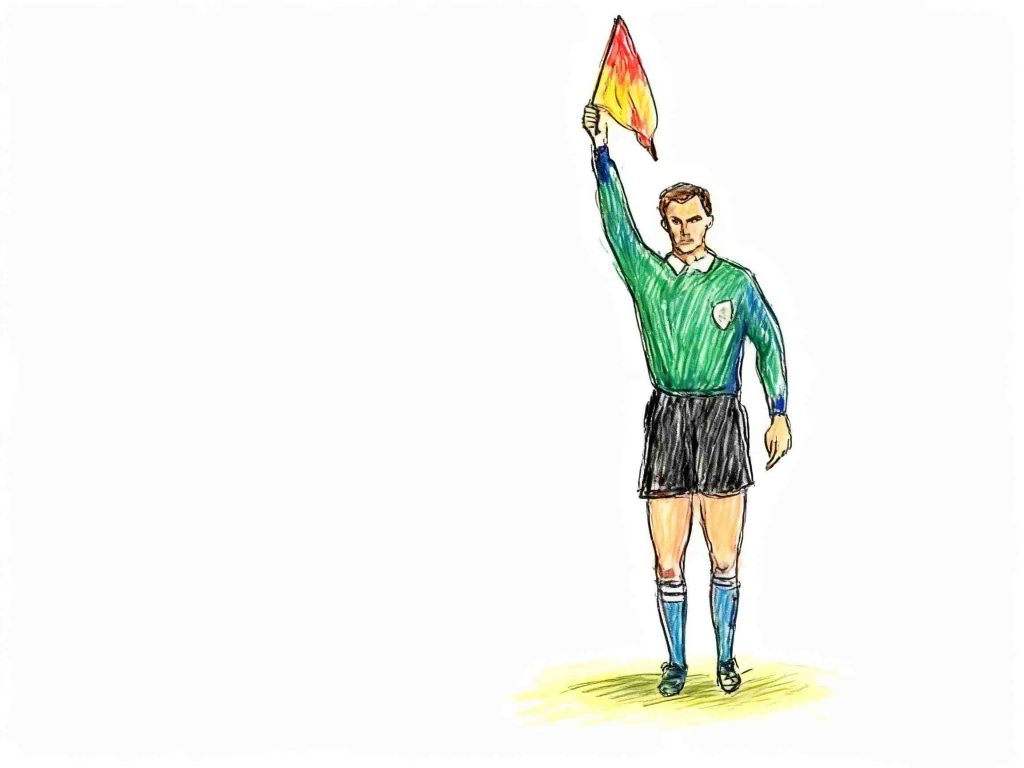
(1)offside on near side of field
(2)offside in center of field
(3)offside on far side of field
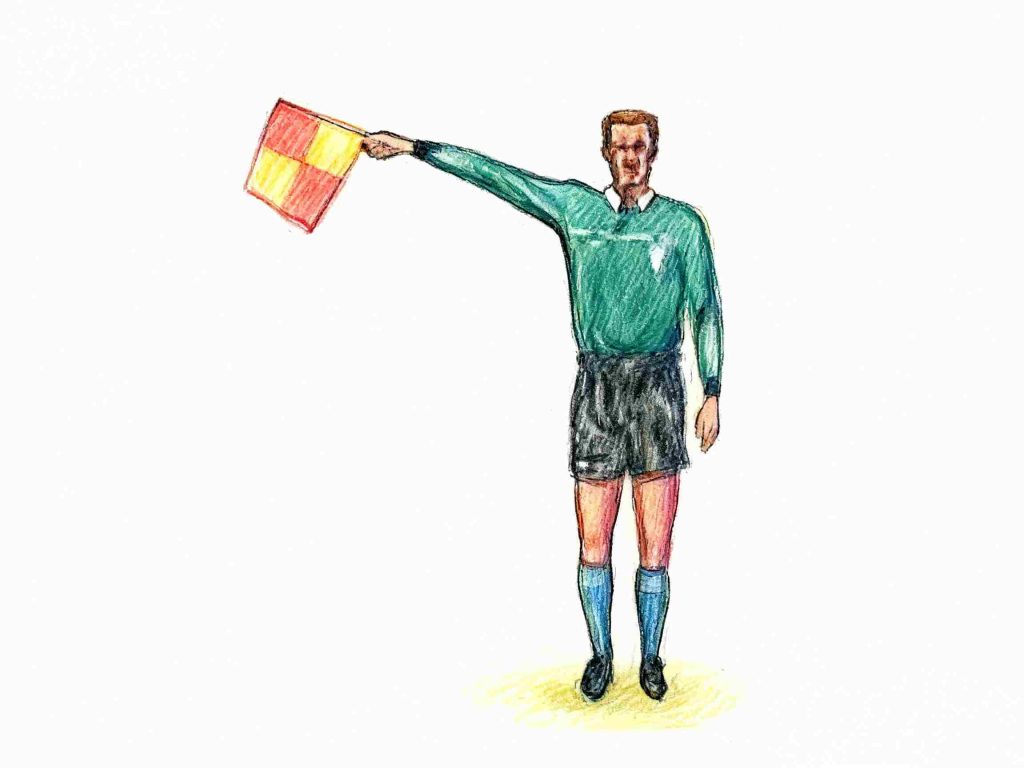
5. Throw-In
Signal: Arm extended sideways, palm up, pointing where the ball exited.
Meaning: The ball crossed the touchline. The opposing team throws it back in with both hands overhead.
6. Advantage
Signal: Both arms extended forward, palms pushing outward.
Meaning: A foul occurred, but the attacking team retains possession with a better opportunity. The referee may punish the foul later.
7. Red Card
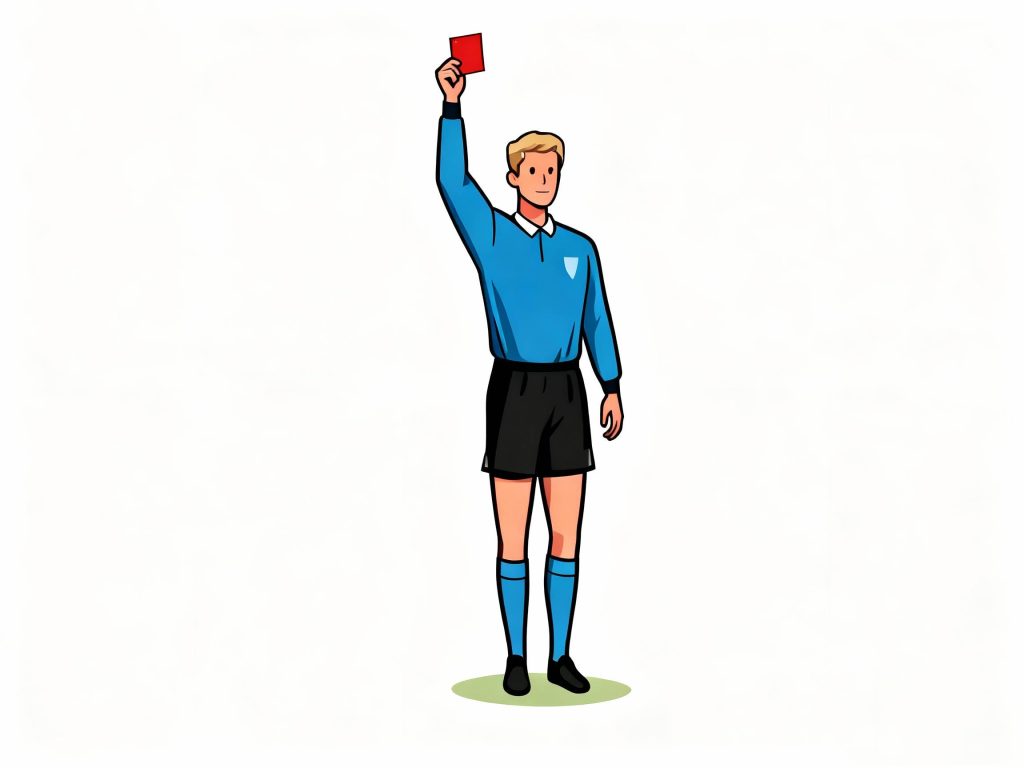
Signal: The infamous red card held high.
Meaning: Ejection! For serious offenses (violent conduct, abusive language). The team plays short-handed, and the player faces suspension.
8. Yellow Card
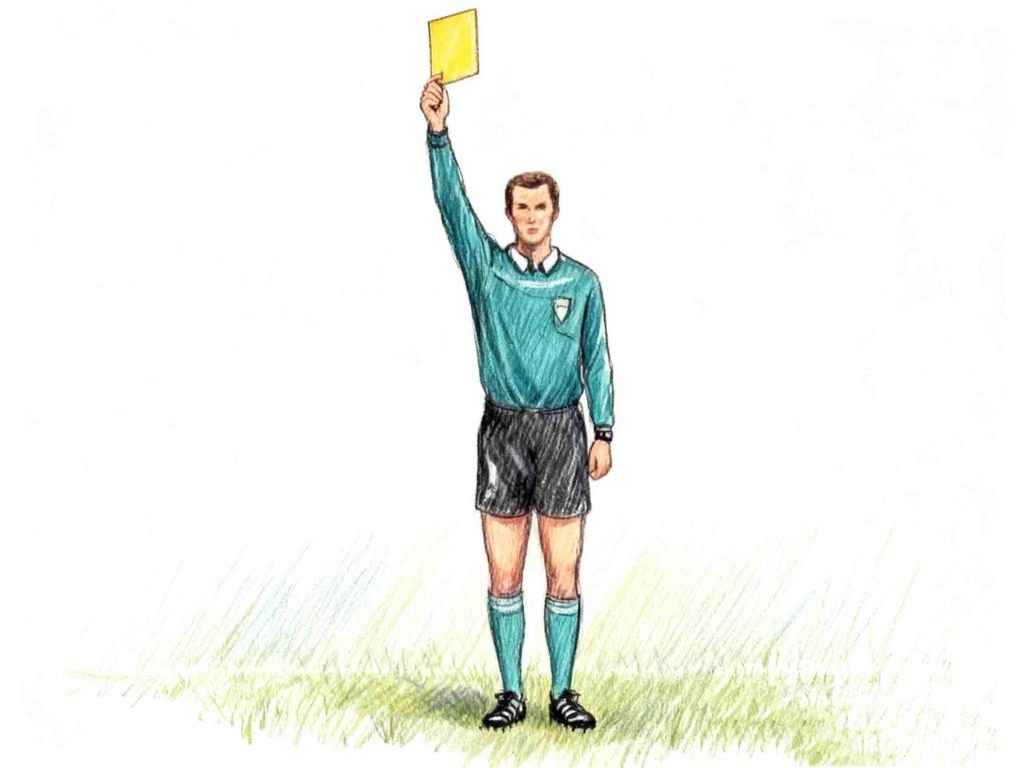
Signal: Yellow card shown.
Meaning: A warning for reckless play or persistent fouling. Two yellows = red card.
Why This Matters
- For Fans: No more asking, “What did the ref just call?”
- For Players: Avoid costly mistakes by recognizing signals instantly.
- For Coaches: Adjust tactics based on referee tendencies (e.g., strict on advantage calls?).
Next Match Challenge: Try spotting these signals live! You’ll gain newfound respect for referees’ split-second decisions.


Leave a Reply